
Many expectant mothers wish to understand whether vaginal childbirth is suitable for their pregnancy and how they can prepare for labor. Although vaginal delivery is possible in many pregnancies, the final method of childbirth depends on maternal health, fetal position, and the progress of labor.
Dr. Neha Singhania provides normal delivery consultations and childbirth planning for expectant mothers from Sanpada, Navi Mumbai. These consultations help women understand the stages of labor, available pain relief methods, and situations in which medical intervention may become necessary.
Understanding Normal Delivery
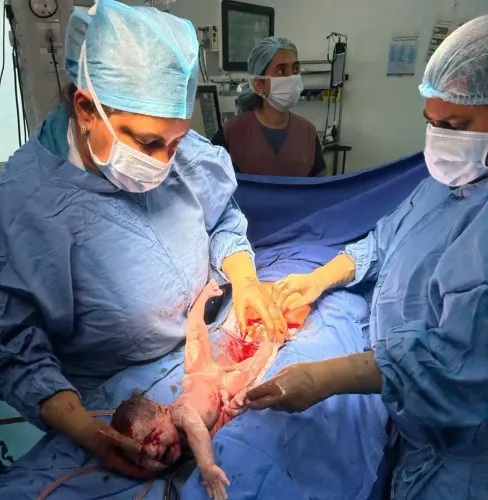
Normal delivery generally refers to childbirth through the vagina. During labor, uterine contractions help the cervix open, allowing the baby to move through the birth canal.
Important aspects of vaginal childbirth include:
- Signs of Labor: Regular contractions, cervical changes, and rupture of membranes may indicate that labor has begun.
- Stages of Labor: Labor involves cervical dilation, the birth of the baby, and delivery of the placenta.
- Fetal Position: A head-down position is generally favorable, although other clinical factors influence delivery suitability.
- Labor Pain Management: Breathing techniques, movement, supportive care, and medical pain relief may help manage discomfort.
- Possible Complications: Prolonged labor, fetal heart rate concerns, or maternal complications may require assisted delivery or caesarean section.
Our Approach to Normal Delivery Care
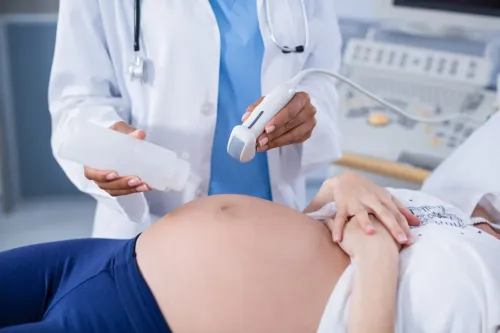
Preparation for vaginal childbirth involves reviewing pregnancy progress and explaining the medical factors that may influence labor.
- Pregnancy Risk Assessment: Previous deliveries, maternal medical conditions, fetal growth, and pregnancy complications are reviewed.
- Delivery Suitability Evaluation: Fetal presentation, placental position, and relevant clinical findings help guide birth planning.
- Labor Preparation: Expectant mothers receive guidance about hospital admission, labor symptoms, and available support.
- Maternal and Fetal Monitoring: Contractions, cervical progress, maternal observations, and fetal heart rate are assessed during labor as indicated.
- Pain Relief and Delivery Support: Suitable pain management and necessary obstetric interventions are considered according to clinical circumstances.
- Immediate Post-Delivery Assessment: Bleeding, uterine contraction, perineal health, and early maternal recovery are evaluated after childbirth.
Discuss Your Options for Vaginal Childbirth
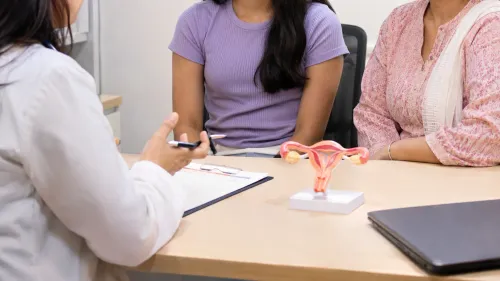
Preparing for labor involves understanding what happens during childbirth and which delivery options may be appropriate. Expectant mothers from Sanpada can consult Dr. Neha Singhania to discuss vaginal delivery, labor preparation, and possible medical interventions.
An individualized discussion can help you prepare for childbirth while understanding that the final delivery method depends on maternal and fetal well-being.
Keywords