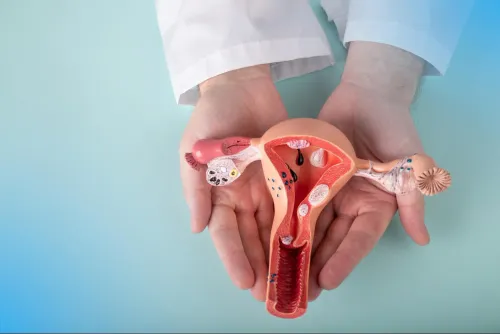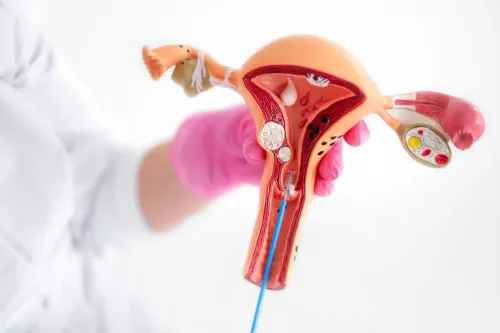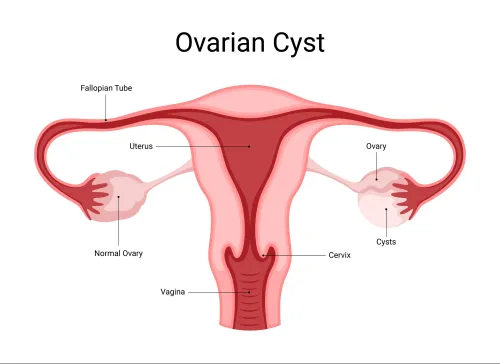
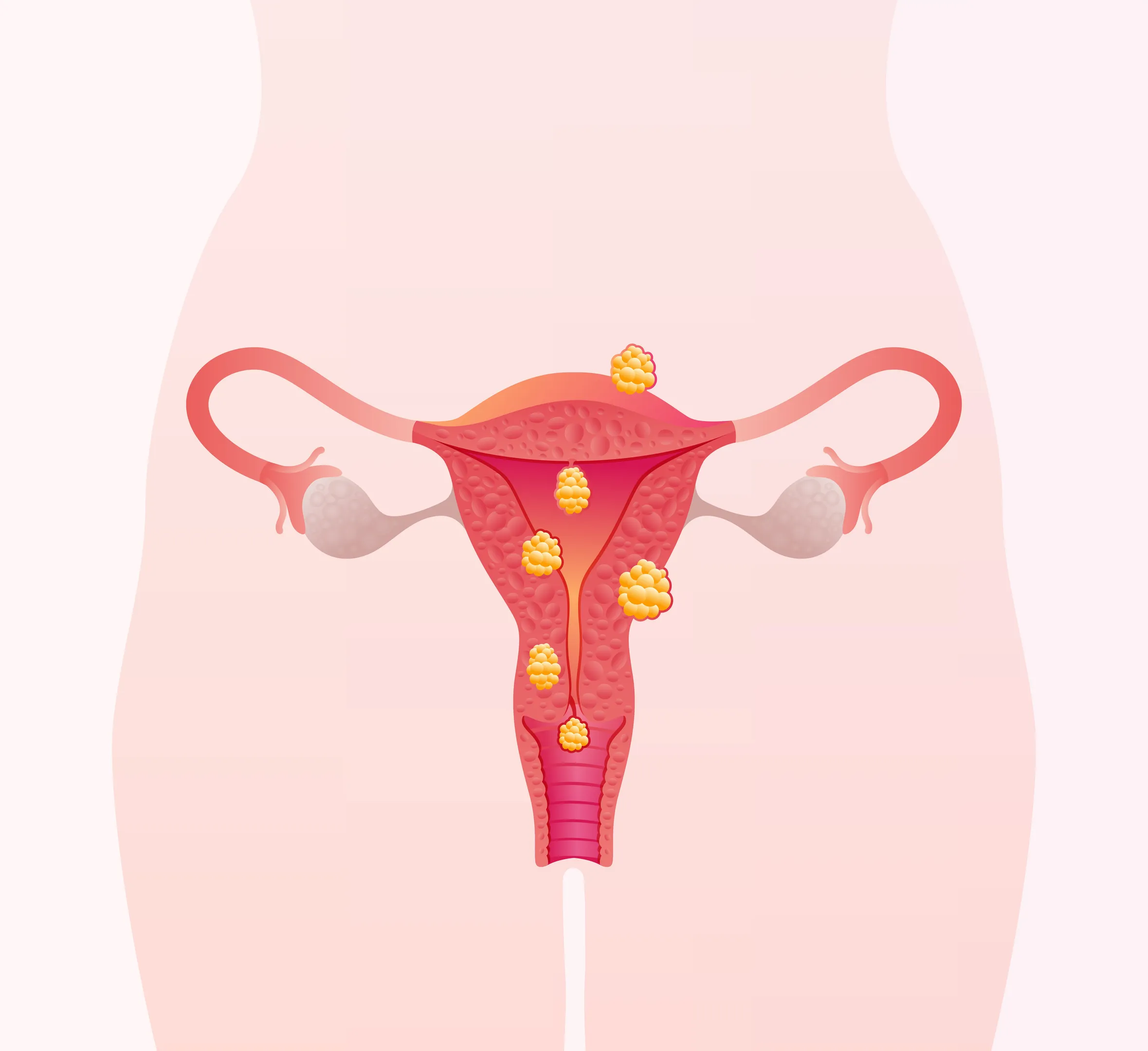
Uterine fibroids are non-cancerous growths arising from the muscle of the uterus. Some women have fibroids without experiencing noticeable problems, while others develop heavy menstrual bleeding, pelvic pressure, pain, fertility concerns, or symptoms related to the size and location of the fibroids.
Because the impact varies significantly, Fibroids Treatment should be based on the individual rather than the ultrasound report alone.
Symptoms Matter as Much as Size
A common question is, “My fibroid is this many centimetres. Do I need surgery?”
Size is relevant, but it is only one part of the assessment.
Doctors also consider:
- Number of fibroids
- Location within the uterus
- Menstrual bleeding pattern
- Pelvic pain or pressure
- Anaemia
- Age
- Pregnancy plans
- Previous treatment
- Changes documented on follow-up
Two women with similarly sized fibroids may therefore receive different recommendations.
When Can Fibroids Be Monitored?
Fibroids that are not causing significant symptoms may sometimes be monitored rather than treated immediately.
Follow-up depends on age, symptoms, examination findings, imaging characteristics, and other clinical factors.
Monitoring does not mean ignoring the condition. It means reviewing it according to an appropriate schedule and reassessing if symptoms change.
When Is Active Treatment Considered?
Fibroids Treatment may become relevant when symptoms interfere with health or everyday life.
Heavy menstrual bleeding, for example, can contribute to iron deficiency or anaemia. Larger fibroids may produce pelvic pressure, while fibroids in particular locations can have reproductive implications for some women.
Treatment options can include medical and surgical approaches depending on the clinical situation.
How Do Pregnancy Plans Affect the Decision?
Reproductive goals are an important part of fibroid management.
A woman planning pregnancy may have different priorities from someone who has completed her family.
The location of the fibroid can also be important when assessing possible effects on the uterine cavity or reproductive function.
Dr. Neha Singhania evaluates women with fibroids and related gynecological symptoms in Sanpada, considering imaging findings alongside menstrual history, symptoms, age, reproductive plans, and overall health.
Questions to Ask Before Choosing Treatment
Before deciding on a treatment approach, ask:
- Where are the fibroids located?
- Are they responsible for my current symptoms?
- Do I have anaemia or another complication?
- Is monitoring appropriate?
- What medical options are relevant?
- If surgery is considered, what is its objective?
- How could treatment affect future pregnancy plans?
- What follow-up will be required?
Women seeking Fibroids Treatment in Sanpada, Maharashtra, should be cautious of choosing an intervention solely because a scan has detected a fibroid.
The better decision starts with connecting the imaging findings to actual symptoms and individual priorities. When those factors are assessed together, patients can have a clearer discussion about whether observation, medical management, or a surgical approach is appropriate.
Keywords