
Recurring pelvic pain can be difficult to evaluate because many conditions can cause similar symptoms. When pain is linked to menstruation, intercourse, bowel movements, or persistent pelvic discomfort, endometriosis may be one possibility that requires assessment.
Choosing an appropriate Endometriosis Treatment plan begins with understanding the symptoms, their impact, and the extent of disease rather than assuming every patient needs the same intervention.
For women in Sanpada, persistent period-related symptoms that interfere with daily activities are a reasonable reason to seek gynaecological evaluation.
Symptoms That Can Raise Suspicion
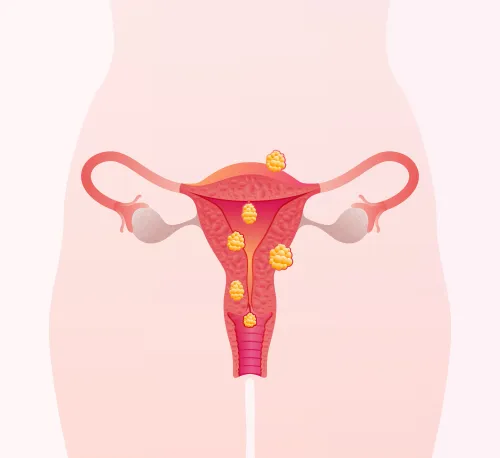
Endometriosis occurs when tissue similar to the lining of the uterus is present outside the uterus. Symptoms vary considerably.
Common concerns can include:
- Significant menstrual pain
- Chronic pelvic discomfort
- Pain during intercourse
- Pain associated with bowel movements
- Difficulty conceiving
- Bloating around menstruation
- Fatigue accompanying painful cycles
Some women have substantial symptoms with relatively limited visible disease, while others may have endometriosis with fewer symptoms.
Pain severity alone therefore does not reliably indicate disease extent.
Assessment Comes Before Treatment
A detailed history is important because the timing and pattern of symptoms can provide useful clues.
The gynaecologist may ask about menstrual cycles, fertility plans, previous pregnancies, bowel or bladder symptoms, previous operations, medicines, and family history.
A pelvic examination and ultrasound may be recommended depending on the circumstances. Additional imaging can sometimes be useful in selected cases.
No single assessment pathway is appropriate for every woman.
Medical Management and Surgery Serve Different Needs
One of the most important treatment decisions is whether symptoms can be managed medically or whether surgical evaluation should be considered.
Medical treatment may be appropriate for selected patients and can include pain management and hormonal approaches intended to control symptoms.
Surgery may be discussed when symptoms remain significant despite appropriate medical management, when particular anatomical findings require treatment, or when fertility and other clinical considerations make operative assessment relevant.
The decision should consider both current symptoms and future reproductive plans.
Fertility Goals Matter
Endometriosis can be associated with fertility difficulties, but an endometriosis diagnosis does not mean that pregnancy is impossible.
For women who are planning pregnancy, management needs to take age, ovarian reserve where relevant, duration of infertility, disease characteristics, partner factors, and previous treatment into account.
A treatment that is reasonable for someone primarily seeking pain control may not be the preferred approach for a patient actively trying to conceive.
Questions to Ask Before Choosing a Plan
Useful questions include how confident the diagnosis is, what treatment is intended to achieve, how long medical therapy may be used, what circumstances would lead to surgery, and how treatment could affect fertility plans.
Dr. Neha Singhania provides gynaecological consultations in Sanpada for women experiencing pelvic pain, menstrual concerns, and reproductive health problems.
Effective endometriosis management is individualized. The objective may be symptom control, protection of quality of life, fertility planning, surgical management where indicated, or a combination of these priorities over time.
Keywords