Unexplained uterine bleeding, suspected endometrial polyps, and certain fertility concerns may require a closer examination of the uterine cavity. Hysteroscopy is a procedure that allows the inside of the uterus to be viewed directly using a thin instrument fitted with a camera. Dr. Neha Singhania provides diagnostic and operative hysteroscopy consultation for women from Koparkhairane, Navi Mumbai. Depending on the patient's symptoms and investigation findings, hysteroscopy may be recommended to identify uterine abnormalities or treat selected conditions without making abdominal incisions.
Understanding Hysteroscopy
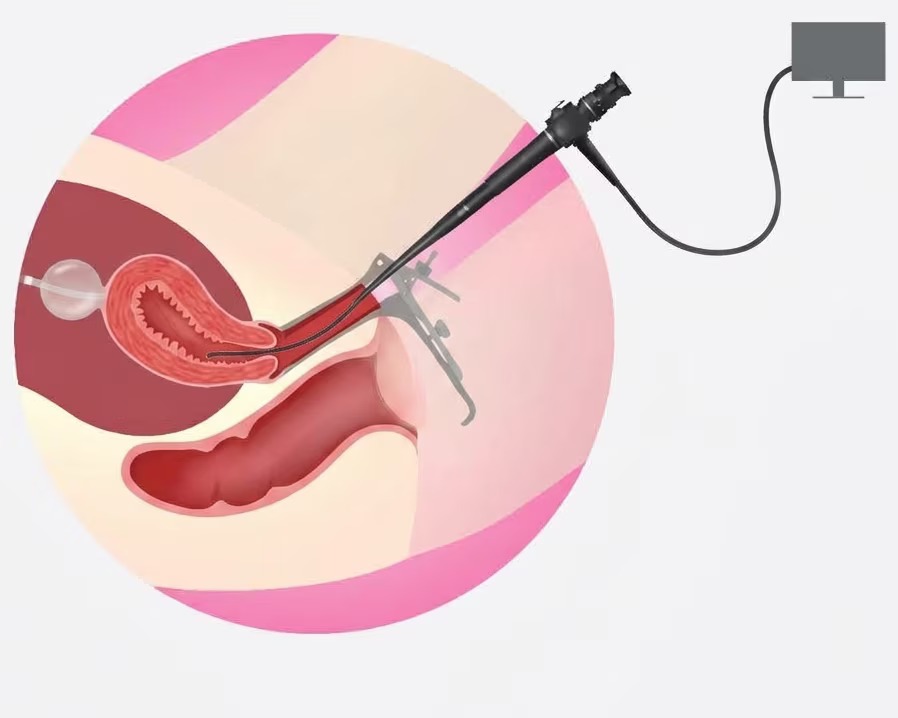
Hysteroscopy involves passing a hysteroscope through the vagina and cervix into the uterus. The procedure may be diagnostic, allowing direct visualization of the uterine cavity, or operative, enabling treatment of certain abnormalities.
Common reasons for recommending hysteroscopy include:
- Abnormal Uterine Bleeding: Hysteroscopy may help investigate heavy periods, irregular bleeding, or bleeding after menopause.
- Endometrial Polyps: Polyps within the uterine cavity can be examined and, when appropriate, removed during the procedure.
- Submucosal Fibroids: Certain fibroids extending into the uterine cavity may be treated using hysteroscopic instruments.
- Intrauterine Adhesions: Scar tissue within the uterus may be identified and surgically divided in suitable cases.
- Selected Fertility Concerns: Hysteroscopy may help investigate suspected uterine cavity abnormalities affecting conception or pregnancy outcomes.
Our Approach to Hysteroscopy
Dr. Neha Singhania recommends hysteroscopy when symptoms or diagnostic findings suggest that direct examination of the uterine cavity may provide useful information.
- Initial Gynecological Assessment: Reviewing menstrual symptoms, ultrasound reports, previous procedures, and reproductive history.
- Procedure Selection: Determining whether diagnostic hysteroscopy, operative hysteroscopy, or another investigation is appropriate.
- Preparation and Anesthesia: Discussing possible discomfort and whether pain relief, sedation, or anesthesia is required.
- Uterine Cavity Examination: The hysteroscope is carefully introduced through the cervix to visualize the uterine lining.
- Operative Treatment: Specialized instruments may be used to remove selected polyps, fibroids, or adhesions when clinically indicated.
- Postprocedure Guidance: Patients receive information about expected cramping, light bleeding, recovery, and symptoms requiring medical attention.
Schedule Your Consultation for Hysteroscopy
If an ultrasound has identified a uterine abnormality or you are experiencing unexplained menstrual bleeding, consult Dr. Neha Singhania to discuss hysteroscopy for patients from Koparkhairane.
Hysteroscopy can provide direct information about conditions affecting the uterine cavity and may sometimes allow diagnosis and treatment during the same procedure. A consultation helps determine whether it is suitable for your symptoms and clinical findings.
Keywords