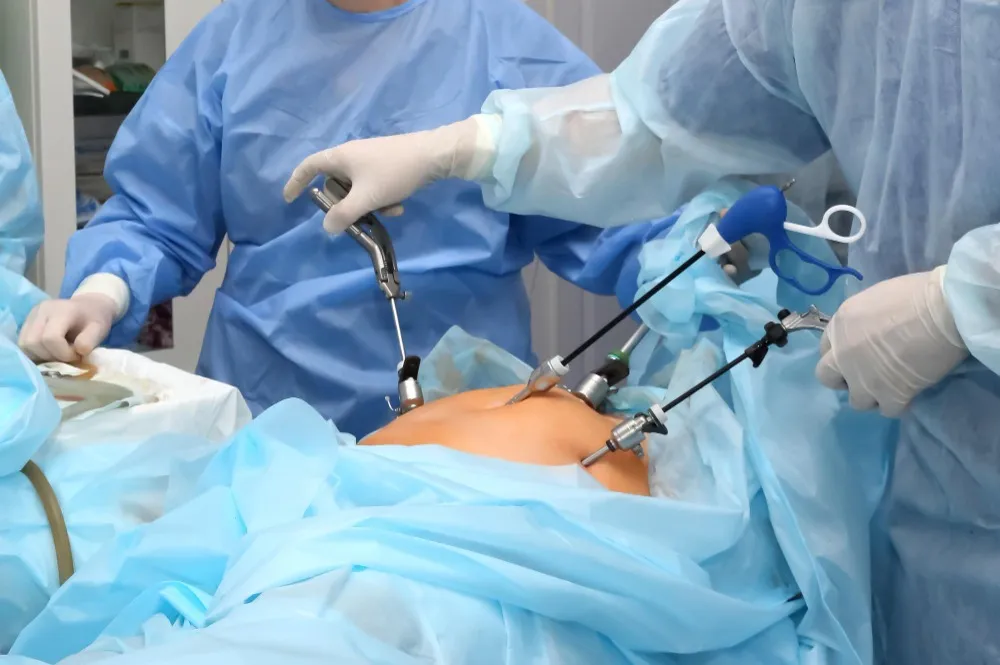
Gynecological surgery does not always require a large abdominal incision. For selected conditions and appropriate patients, minimally invasive or laparoscopic techniques may be considered.
A Laparoscopic Gynecologist uses specialised instruments and a camera system to perform certain procedures through small abdominal incisions.
Whether laparoscopy is suitable depends on the condition, complexity, medical history, and clinical findings.
Which Gynecological Conditions May Involve Laparoscopy?
Laparoscopic surgery can be used in the evaluation or treatment of various gynecological conditions.
Depending on individual circumstances, these may include:
- Certain ovarian cysts
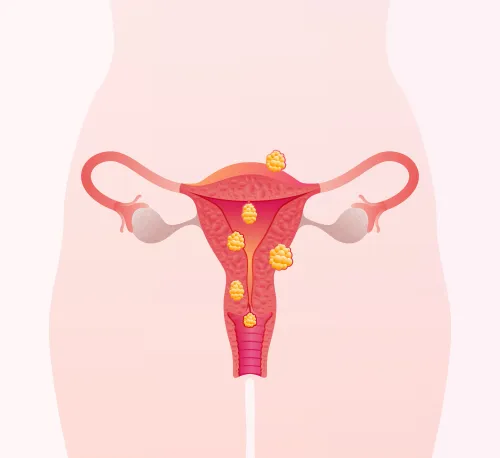
- Selected fibroids
- Endometriosis
- Some ectopic pregnancies
- Certain fertility-related conditions
- Selected hysterectomy procedures
- Other pelvic conditions requiring surgical assessment
The presence of one of these conditions does not automatically mean laparoscopy is required.
Some conditions can be monitored or treated medically, while others may require a different surgical approach.
How Does It Differ From Open Surgery?
The most visible difference is incision size, but that should not be the only factor considered.
A Laparoscopic Gynecologist evaluates whether minimally invasive access can safely and effectively accomplish the required surgical objective.
Potential recovery characteristics may differ from conventional open surgery, but the actual experience depends on the procedure performed, duration and complexity of surgery, patient health, and other factors.
What Should You Ask Before Deciding?
If surgery has been recommended, ask:
- What exactly is the diagnosis?
- Why is surgery being considered?
- Are non-surgical options appropriate?
- Why is laparoscopy suitable in this case?
- Is there a possibility of changing the surgical approach during the procedure?
- What recovery period should be expected?
- What follow-up will be necessary?
These questions help patients compare treatment approaches based on clinical reasoning rather than incision size alone.
Surgical Experience and Planning Matter
When looking for a Laparoscopic Gynecologist, patients should consider the doctor's experience with the relevant gynecological condition, not simply whether laparoscopy is offered.
A surgeon frequently treating ovarian conditions, fibroids, or other pelvic disorders may approach each case differently depending on anatomy and treatment goals.
Dr. Neha Singhania evaluates gynecological conditions for women in Sanpada and discusses medical or surgical management according to symptoms, imaging, examination findings, reproductive considerations, and individual clinical needs.
Bring Your Reports to the Consultation
If you have already undergone pelvic ultrasound, MRI, blood investigations, or previous surgery, bring those records.
Previous operative notes can be particularly useful when planning another pelvic procedure.
For patients in Sanpada and nearby Maharashtra communities, consultation before surgery should clarify both the diagnosis and the reason a particular surgical method is being proposed.
Laparoscopy is a technique, not a diagnosis or a guarantee of a particular recovery experience. The important question is whether it represents an appropriate treatment approach for your individual condition.
Keywords