Modern gynecological surgery offers several approaches for treating conditions involving the uterus, ovaries, and surrounding pelvic structures. Robotic gynaecological surgery is one such technique, using surgeon-controlled instruments and enhanced visualization to assist with selected procedures. Dr. Neha Singhania, a Consultant Obstetrician and Gynaecologist and Minimal Access and Robotic Surgeon, provides robotic gynaecological surgery consultation for women from Vashi, Navi Mumbai. Her approach focuses on evaluating surgical requirements, explaining available techniques, and determining whether robotic assistance is appropriate for the patient's condition.
Understanding Robotic Gynaecological Surgery
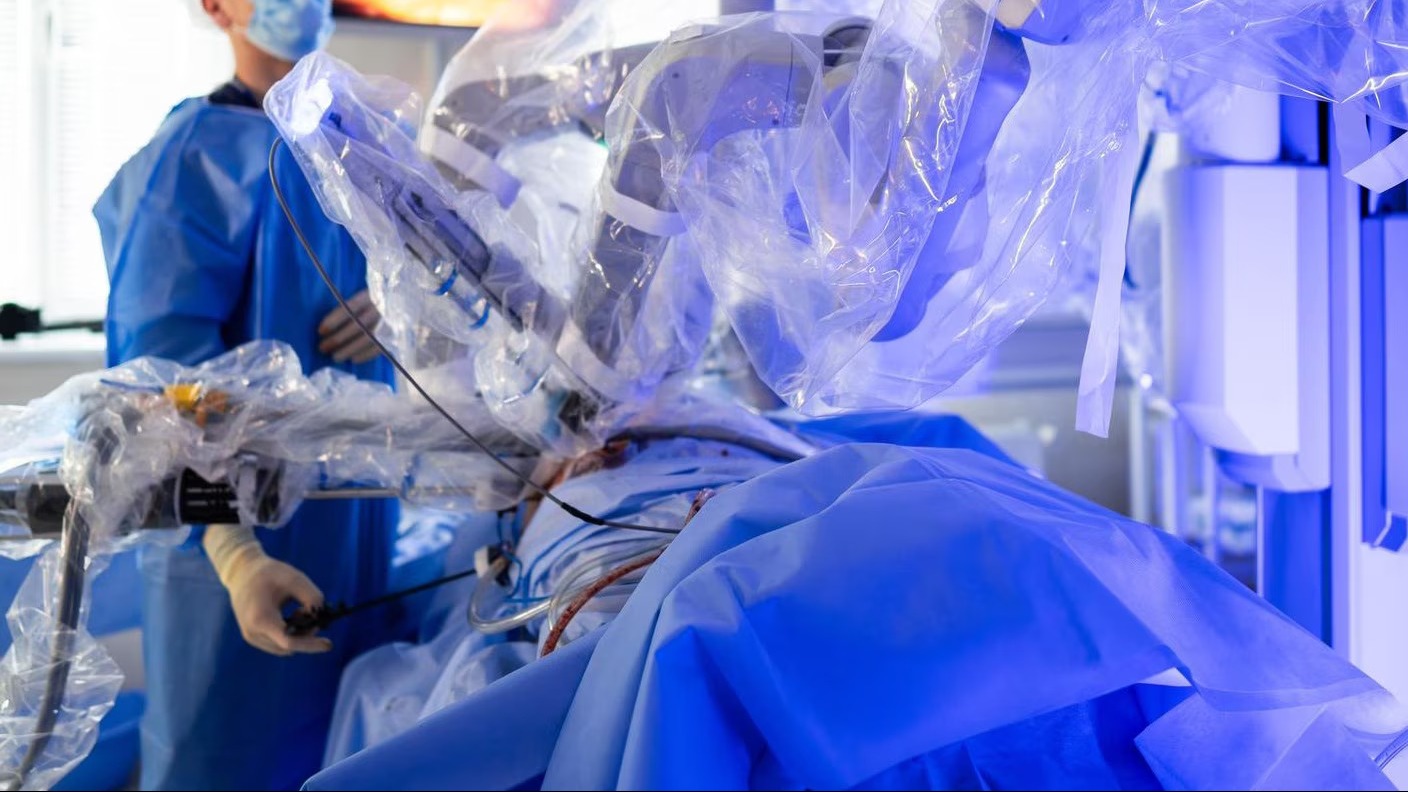
Robotic-assisted surgery uses a specialized system that translates the surgeon's hand movements into precise instrument movements. The surgeon remains in control throughout the operation, and the system does not perform surgery independently.
Robotic-assisted techniques may be considered for:
- Uterine Fibroids: Selected patients requiring myomectomy may be candidates for robotic-assisted fibroid removal.
- Hysterectomy: Robotic-assisted removal of the uterus may be considered when surgery is medically indicated.
- Complex Endometriosis: Certain cases involving deep pelvic disease or challenging anatomy may require advanced surgical techniques.
- Pelvic Adhesions: Robotic instruments may assist with dissection during selected procedures involving scar tissue.
- Pelvic Reconstructive Procedures: Some operations for pelvic organ prolapse may be performed using robotic-assisted techniques.
Our Approach to Robotic Gynaecological Surgery
Dr. Neha Singhania assesses surgical complexity, medical history, and available alternatives before recommending a robotic-assisted approach.
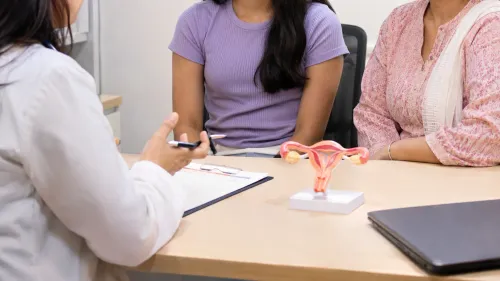
- Comprehensive Surgical Consultation: Reviewing symptoms, imaging findings, previous surgeries, and relevant medical conditions.
- Evaluation of Surgical Options: Comparing robotic-assisted surgery with conventional laparoscopy, vaginal surgery, or open procedures when appropriate.
- Preoperative Planning: Assessing anatomy, anesthesia requirements, and potential surgical risks.
- Robotic-Assisted Procedure: The surgeon controls specialized instruments while viewing magnified images of the operative area.
- Postoperative Monitoring: Recovery is assessed through observation of pain, bleeding, anesthesia effects, and possible complications.
- Individualized Recovery Guidance: Instructions cover wound care, medications, physical activity, and follow-up appointments.
Schedule Your Consultation for Robotic Gynaecological Surgery
If you have been advised to undergo gynecological surgery and want to understand whether robotic assistance may be suitable, consult Dr. Neha Singhania for robotic gynaecological surgery guidance for women from Vashi.
Robotic technology is not necessary for every operation and does not automatically provide better outcomes than other surgical techniques. Understanding its potential benefits, limitations, and alternatives helps patients make informed decisions about their treatment.
Keywords