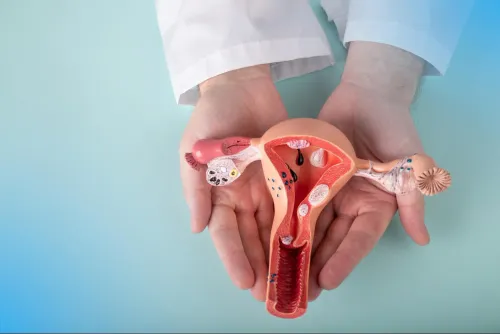
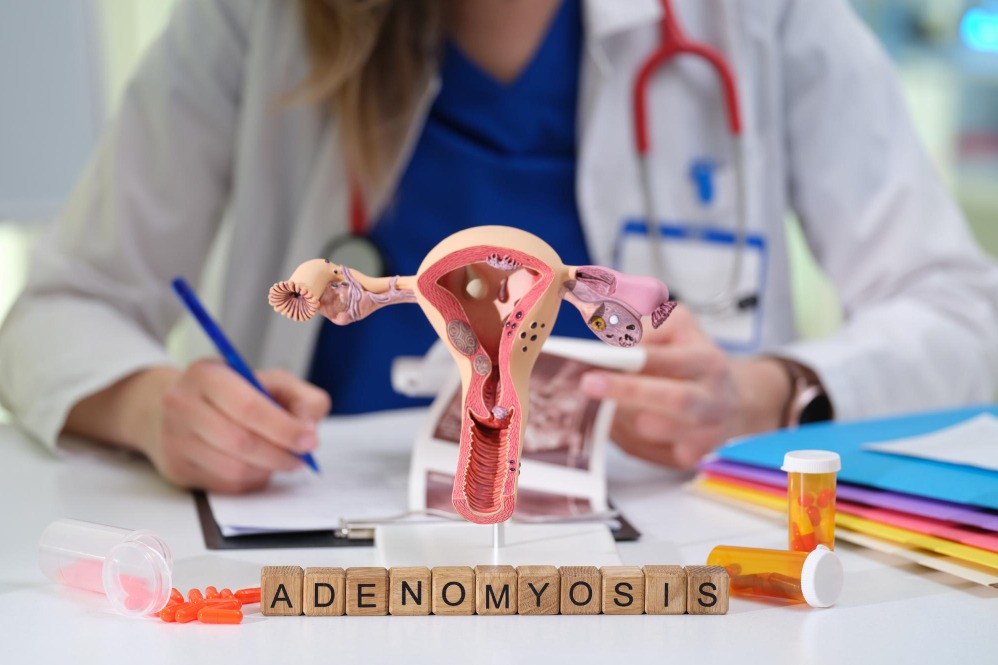
Heavy periods accompanied by increasing menstrual pain can have several possible causes. One condition that may be identified during gynaecological evaluation is adenomyosis, in which tissue similar to the uterine lining is found within the muscular wall of the uterus.
The most suitable Adenomyosis Treatment depends on symptom severity, age, reproductive plans, examination findings, and how much the condition affects everyday life.
Women in Koparkhairane, experiencing progressively painful or heavy periods may benefit from evaluation rather than repeatedly managing symptoms without identifying the cause.
How Adenomyosis Can Present
Symptoms are not identical in every patient.
Some women experience:
- Heavy menstrual bleeding
- Painful periods
- Pelvic pressure
- Chronic pelvic discomfort
- A feeling of abdominal heaviness
- Anaemia related to blood loss
Other women may have imaging findings suggestive of adenomyosis with relatively few symptoms.
Because heavy bleeding and pelvic pain can occur with fibroids, endometriosis, hormonal problems, and other gynaecological conditions, symptoms alone cannot confirm the diagnosis.
Diagnosis Requires Clinical Context
Evaluation commonly begins with menstrual history and assessment of the severity of bleeding and pain.
A clinician may ask how frequently sanitary products need changing, whether clots are present, how long bleeding lasts, whether pain affects work or sleep, and whether there are symptoms between periods.
Pelvic ultrasound can provide useful information. In selected circumstances, additional imaging may be considered.
The results need to be interpreted alongside symptoms rather than viewed in isolation.
Treatment Should Match Life Stage
Management is influenced by whether a woman wishes to preserve fertility and whether she is planning a future pregnancy.
For selected patients, medicines may help control bleeding and pain. Hormonal approaches can also be considered depending on the individual's circumstances and suitability.
When symptoms remain severe despite appropriate conservative treatment, procedural or surgical options may be discussed.
A definitive surgical approach such as hysterectomy is relevant only in appropriate circumstances and is not automatically the first step for every patient diagnosed with adenomyosis.
Do Not Ignore the Effects of Heavy Bleeding
Repeated heavy blood loss can lead to iron deficiency and anaemia.
Women may notice fatigue, weakness, dizziness, palpitations, reduced exercise tolerance, or difficulty concentrating.
Assessment may therefore involve more than identifying the uterine condition. Blood tests can be considered where the clinical history suggests anaemia.
Treating the consequences of heavy bleeding can be an important part of overall management.
Choosing the Next Step
Before beginning treatment, women should understand what the recommended approach is expected to achieve.
Questions can include whether treatment is intended mainly to reduce bleeding, control pain, support fertility plans, or address multiple problems.
Dr. Neha Singhania provides gynaecological evaluation for women in Koparkhairane. Patients with suspected adenomyosis can discuss their symptoms, imaging findings, reproductive goals, and available management approaches before deciding on the next step.
Adenomyosis management works best when treatment is based on the individual woman's priorities rather than simply the appearance of a scan.
Keywords