A sensation of pelvic heaviness, a noticeable vaginal bulge, or difficulty emptying the bladder may indicate uterine prolapse. This condition develops when the pelvic floor muscles and supporting tissues weaken, allowing the uterus to move downward from its normal position. Dr. Neha Singhania provides uterine prolapse treatment consultation for women from Koparkhairane, Navi Mumbai. Her approach focuses on evaluating the degree of prolapse, understanding its effect on daily activities, and discussing appropriate nonsurgical or surgical management options.
Understanding Uterine Prolapse Treatment
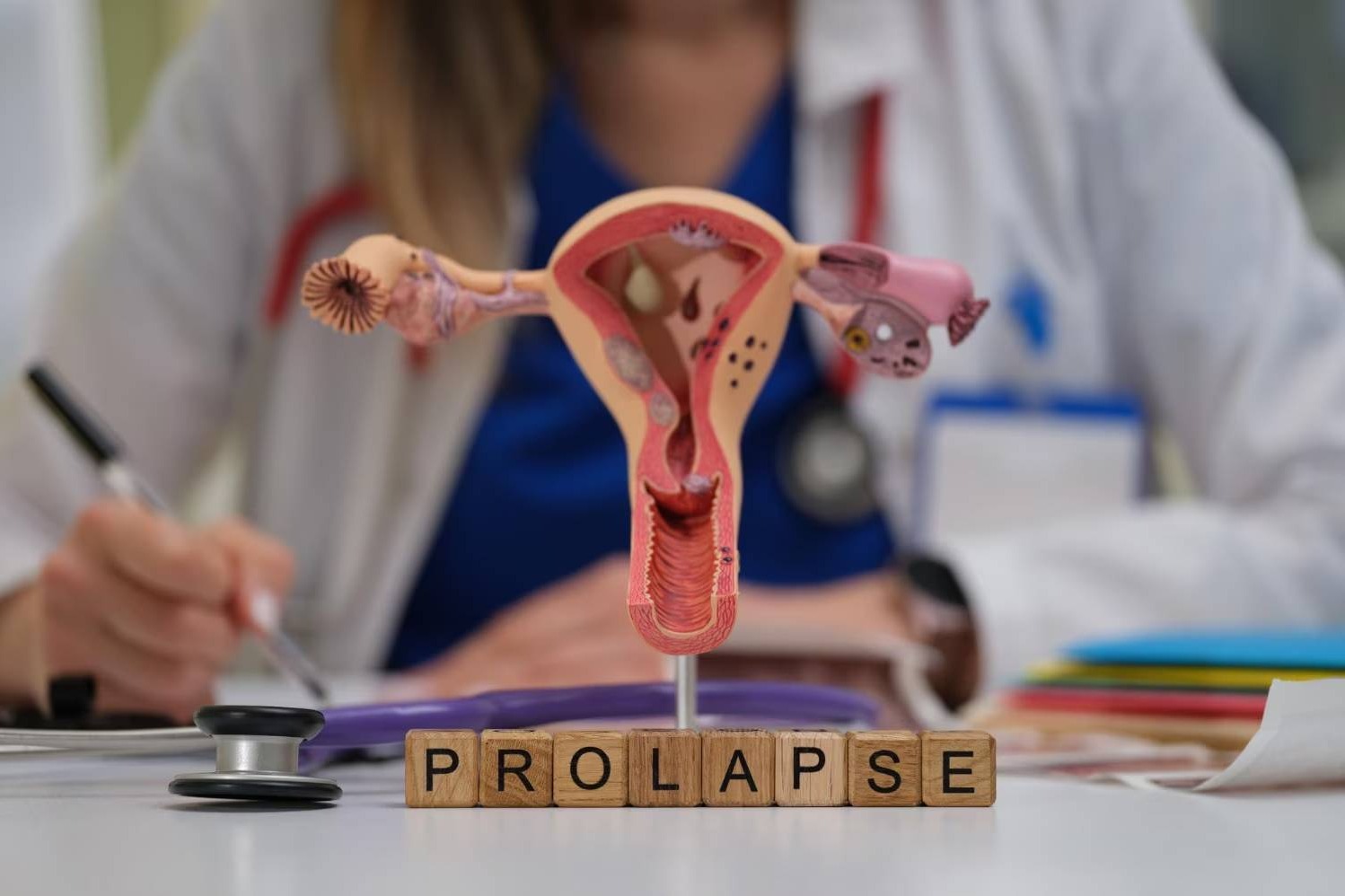
The uterus is supported by pelvic floor muscles, ligaments, and connective tissues. When these structures weaken, the uterus may descend into the vagina and sometimes protrude beyond the vaginal opening.
Common symptoms and contributing factors include:
- Vaginal Bulging: Women may notice or feel tissue protruding into or outside the vaginal opening.
- Pelvic Pressure: A dragging or heavy sensation in the lower abdomen may become more noticeable after prolonged standing.
- Urinary Difficulties: Prolapse may contribute to incomplete bladder emptying, urinary frequency, or associated incontinence.
- Bowel Symptoms: Some patients experience difficulty with bowel movements, particularly when other pelvic organs are also involved.
- Childbirth and Aging: Vaginal childbirth, menopause, chronic straining, and age-related tissue changes may contribute to pelvic floor weakness.
Our Approach to Uterine Prolapse Treatment
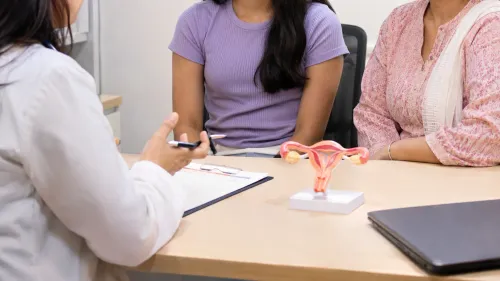
Dr. Neha Singhania evaluates the severity of uterine descent and its effect on everyday comfort before recommending a management plan.
- Pelvic Health Consultation: Reviewing childbirth history, pelvic pressure, urinary symptoms, bowel difficulties, and previous gynecological procedures.
- Clinical Prolapse Assessment: A pelvic examination helps determine the severity of prolapse and whether other pelvic organs are involved.
- Pelvic Floor Rehabilitation: Supervised pelvic floor exercises may improve symptoms in selected patients.
- Vaginal Pessary Management: A pessary may provide support for women who prefer nonsurgical treatment or are not suitable candidates for surgery.
- Surgical Treatment Planning: Uterus-preserving procedures or hysterectomy with appropriate prolapse repair may be considered when clinically indicated.
- Lifestyle and Follow-Up Guidance: Managing constipation, reducing excessive straining, and maintaining pelvic floor health may help control symptoms.
Schedule Your Consultation for Uterine Prolapse Treatment
If you notice a vaginal bulge, persistent pelvic heaviness, or changes in bladder function, consult Dr. Neha Singhania for uterine prolapse treatment guidance for women from Koparkhairane.
The appropriate treatment depends on examination findings, symptom severity, general health, and personal preferences. Understanding both nonsurgical and surgical options can help patients make informed decisions about their pelvic health.
Keywords