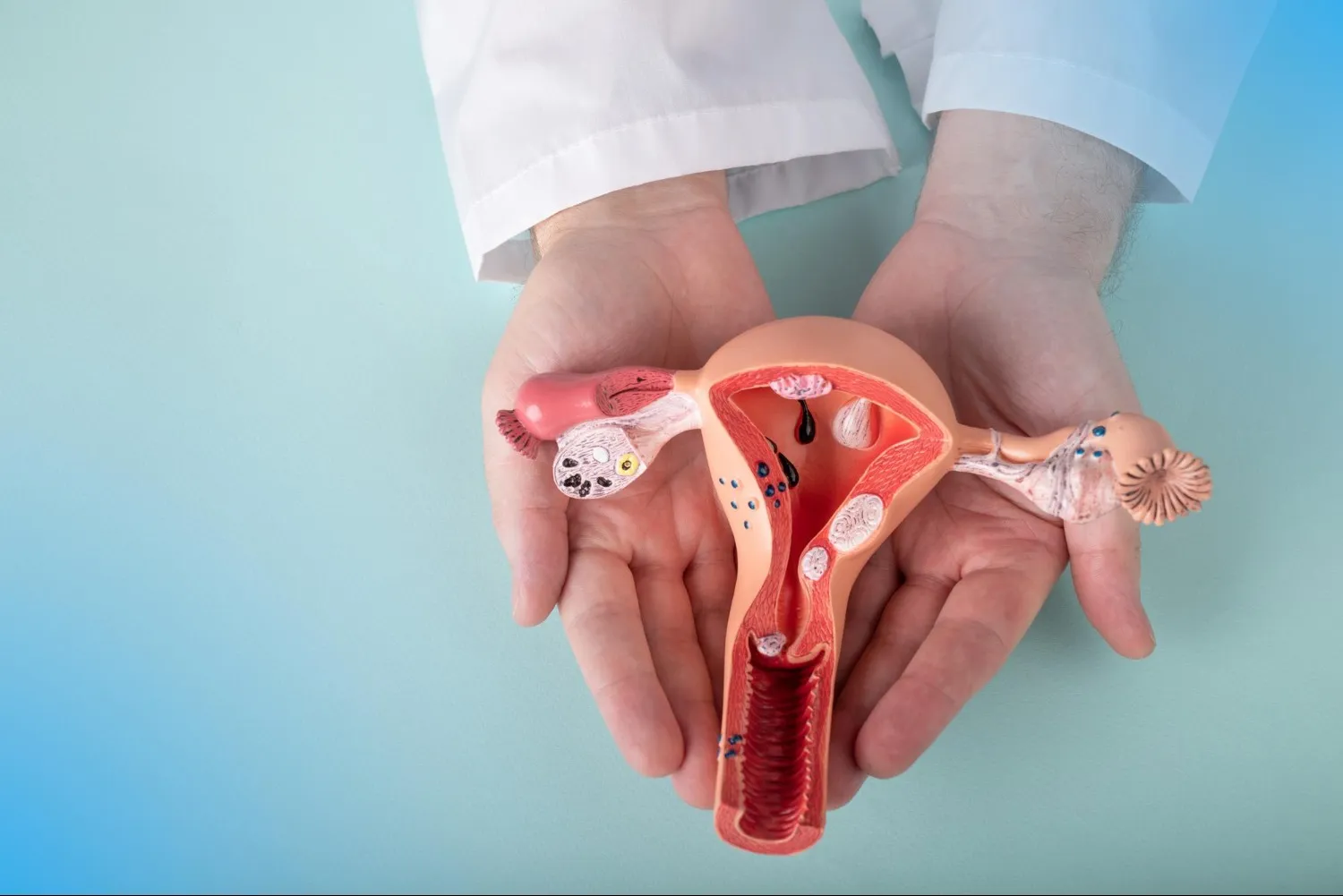
Puberty brings major physical and hormonal changes, and menstrual cycles often take time to establish a predictable pattern. However, severe pain, very heavy bleeding, prolonged absence of periods, or symptoms of hormonal disorders should not automatically be dismissed as a normal part of growing up.
Adolescent Gynaecology provides age-appropriate evaluation of menstrual, pubertal, and reproductive health concerns while taking privacy, comfort, and emotional wellbeing into account.
Families in Vashi, may consider a gynaecological consultation when a teenager has persistent symptoms affecting school, sport, sleep, or everyday activities.
Which Period Changes Need Attention
Some cycle irregularity can occur after periods first begin. The important question is whether the pattern falls within expected development or suggests a condition requiring assessment.
A consultation may be appropriate when there is:
- Very heavy menstrual bleeding
- Severe period pain
- Persistent irregular cycles
- Prolonged gaps between periods
- Symptoms suggestive of anaemia
- Excessive acne with menstrual irregularity
- Increased facial or body hair
- Unusual vaginal discharge
- Persistent pelvic pain
- Concerns about delayed puberty
The presence of these symptoms does not automatically indicate a serious condition. They provide a reason to assess what is happening.
Period Pain Should Be Considered in Context
Mild menstrual discomfort is common, but pain that repeatedly causes absence from school or prevents normal activities deserves attention.
The clinician may ask when the pain begins, how long it lasts, whether medicines provide relief, and whether symptoms such as vomiting, bowel discomfort, fainting, or pain outside menstruation are present.
Persistent symptoms may require evaluation for conditions such as endometriosis, although diagnosis depends on the complete clinical picture.
Heavy Bleeding Can Affect More Than the Cycle
Teenagers experiencing heavy periods may develop iron deficiency or anaemia.
Warning signs can include unusual tiredness, weakness, dizziness, shortness of breath during activity, or difficulty concentrating.
Assessment may include menstrual history and, when indicated, laboratory investigations. Treatment is selected according to the cause and severity rather than focusing only on reducing bleeding.
Creating a Comfortable Consultation
Teenagers may feel uncomfortable discussing menstrual or reproductive health concerns in front of family members.
A respectful consultation should make space for questions without judgement. Depending on the concern, a detailed conversation and basic clinical assessment may provide much of the necessary information. An internal examination is not automatically required for every adolescent gynaecological concern.
Parents can help by treating menstrual health as routine healthcare rather than a subject associated with embarrassment.
Building Healthy Habits Early
Adolescence is also a useful stage for accurate education about menstrual hygiene, healthy nutrition, physical activity, HPV vaccination, reproductive health, and recognising symptoms that should not be ignored.
Dr. Neha Singhania provides obstetric and gynaecological care for patients in Vashi. For adolescents, assessment can focus on the specific concern while respecting age, developmental stage, privacy, and family context.
Early attention to persistent menstrual symptoms can help young patients understand their bodies and develop healthier attitudes toward reproductive healthcare as they move into adulthood.
Keywords