HPV vaccination has become an important part of preventive healthcare because certain types of human papillomavirus are associated with cervical cancer and other HPV-related diseases. Understanding what the vaccine does, when it may be considered, and why screening remains important can help women and parents make informed healthcare decisions.
For women and families in Vashi, discussions about HPV Vaccination can form part of routine preventive gynaecological care rather than being considered only when symptoms appear.
Understanding HPV and Cervical Health
Human papillomavirus refers to a large group of viruses. Many HPV infections cause no noticeable symptoms and may clear naturally. However, persistent infection with certain high-risk HPV types can contribute to abnormal cervical cell changes.
Because a person may have HPV without knowing it, prevention and appropriate cervical screening are both important.
HPV vaccines are designed to protect against selected HPV types. They do not treat an existing HPV infection, and they do not replace cervical screening when screening is recommended.
When Is HPV Vaccination Usually Discussed
HPV vaccination is generally most effective when given before exposure to HPV. This is one reason vaccination is commonly discussed during adolescence.
Adults who were not vaccinated earlier may also wish to discuss whether vaccination is appropriate for them. The decision can depend on age, previous vaccination history, medical circumstances, and individual risk factors.
A consultation may include questions about:
- Previous HPV vaccine doses
- Current age and health
- Allergies and past vaccine reactions
- Pregnancy status where relevant
- Existing cervical screening history
- Current medicines and medical conditions
The appropriate vaccine schedule should be determined according to current clinical recommendations and the individual receiving it.
Vaccination Does Not Replace Screening
One common misunderstanding is that receiving an HPV vaccine means future cervical screening is unnecessary. These are two different preventive measures.
Vaccination helps protect against specific HPV types, while cervical screening is intended to identify cervical cell changes that may require further evaluation.
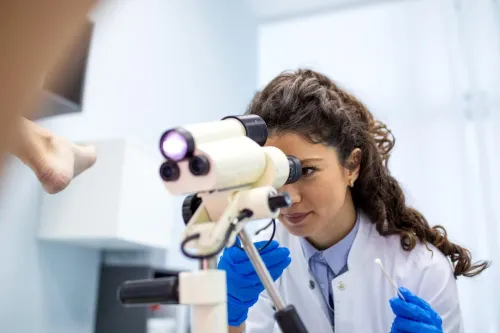
Depending on age and clinical recommendations, screening may involve tests such as a Pap smear or HPV testing. If abnormalities are detected, additional assessment may sometimes be advised.
Keeping vaccination and screening within the same preventive healthcare conversation provides a more complete approach to cervical health.
Questions Worth Discussing at an Appointment
Women and parents considering vaccination can prepare a few practical questions before meeting their gynaecologist.
These may include:
- Is HPV vaccination suitable at the current age?
- How many doses may be needed?
- What should be done if an earlier dose was missed?
- What common reactions can occur after vaccination?
- When should cervical screening begin?
- Does previous HPV exposure change the vaccination discussion?
Clear answers can help distinguish vaccination facts from misconceptions found through informal sources.
Building a Preventive Healthcare Routine
Cervical health is only one aspect of preventive women’s healthcare. Depending on age and individual needs, routine gynaecological care may also include menstrual health assessment, contraception counselling, preconception discussions, breast health awareness, menopause care, and evaluation of new symptoms.
Dr. Neha Singhania provides obstetric and gynaecological consultations for women in Vashi. An individual consultation can help determine whether HPV vaccination is appropriate and how it fits alongside recommended cervical screening.
Prevention works best when it is based on age, medical history, vaccination status, and appropriate follow-up rather than a one-size-fits-all schedule.
Keywords