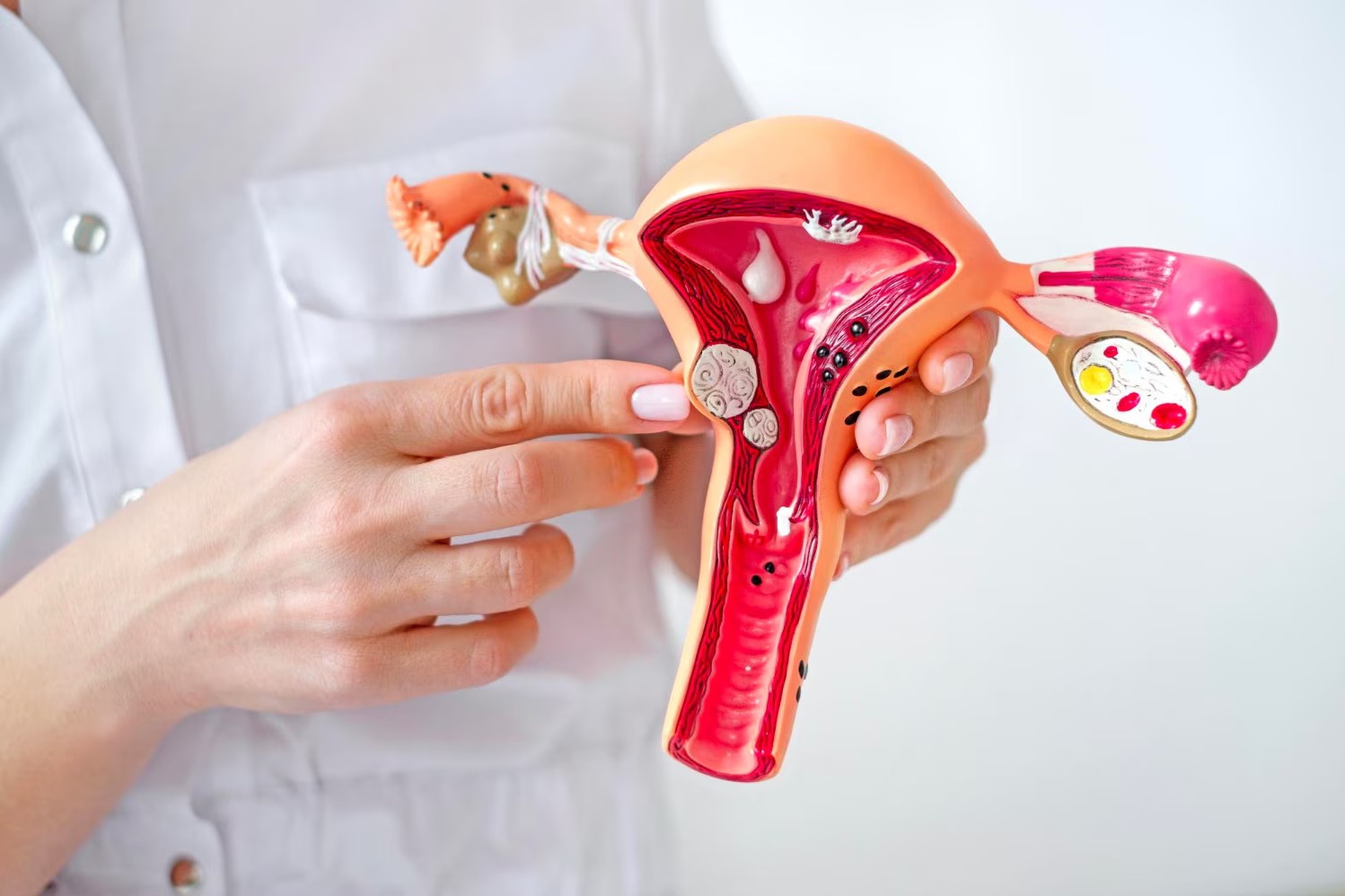
Heavy menstrual bleeding, prolonged periods, and persistent pelvic pressure may sometimes be associated with uterine fibroids. These noncancerous growths are common during the reproductive years, although their effects vary according to their number, size, and location. Some women experience no symptoms, while others require medical or surgical treatment. Dr. Neha Singhania provides fibroid uterus treatment consultation for women from Ghansoli, Navi Mumbai. Her approach considers the impact of fibroids on menstrual health, daily activities, and reproductive plans before recommending appropriate management.
Understanding Fibroid Uterus Treatment
Uterine fibroids are growths made of muscle and connective tissue that develop within or around the uterus. Depending on their location, they may affect menstrual bleeding, pelvic comfort, bladder function, or fertility.
Common concerns associated with uterine fibroids include:
- Heavy Menstrual Bleeding: Excessive or prolonged bleeding may contribute to iron-deficiency anemia and fatigue.
- Pelvic Pressure: Larger fibroids can create a sensation of heaviness or fullness in the lower abdomen.
- Frequent Urination: Pressure on the bladder may increase urinary frequency or cause difficulty emptying it.
- Menstrual Discomfort: Some women experience painful periods, lower abdominal discomfort, or back pain.
- Fertility and Pregnancy Concerns: Fibroids that distort the uterine cavity may interfere with conception or contribute to certain pregnancy complications.
Our Approach to Fibroid Uterus Treatment
Dr. Neha Singhania considers the patient's symptoms, investigation results, and treatment preferences when developing a fibroid management plan.
- Menstrual Health Assessment: Reviewing bleeding patterns, pelvic symptoms, and possible signs of anemia.
- Ultrasound Evaluation: Identifying the number, size, and location of fibroids within the uterus.
- Medical Symptom Control: Appropriate medications may help manage heavy bleeding or menstrual discomfort.
- Reproductive Planning: Discussing treatment choices with consideration of future pregnancy and uterine preservation.
- Surgical Treatment Options: Hysteroscopic or laparoscopic myomectomy, hysterectomy, or other appropriate procedures may be considered when clinically indicated.
- Long-Term Monitoring: Follow-up helps assess symptom changes and determine whether further intervention is required.
Schedule Your Consultation for Fibroid Uterus Treatment
If heavy periods, pelvic pressure, or fibroid-related discomfort are interfering with your routine, arrange a consultation with Dr. Neha Singhania for fibroid uterus treatment guidance for women from Ghansoli.
The presence of fibroids does not automatically mean surgery is necessary. Understanding their location, size, and effect on your health helps determine whether observation, medication, or a procedure is most appropriate.
Keywords